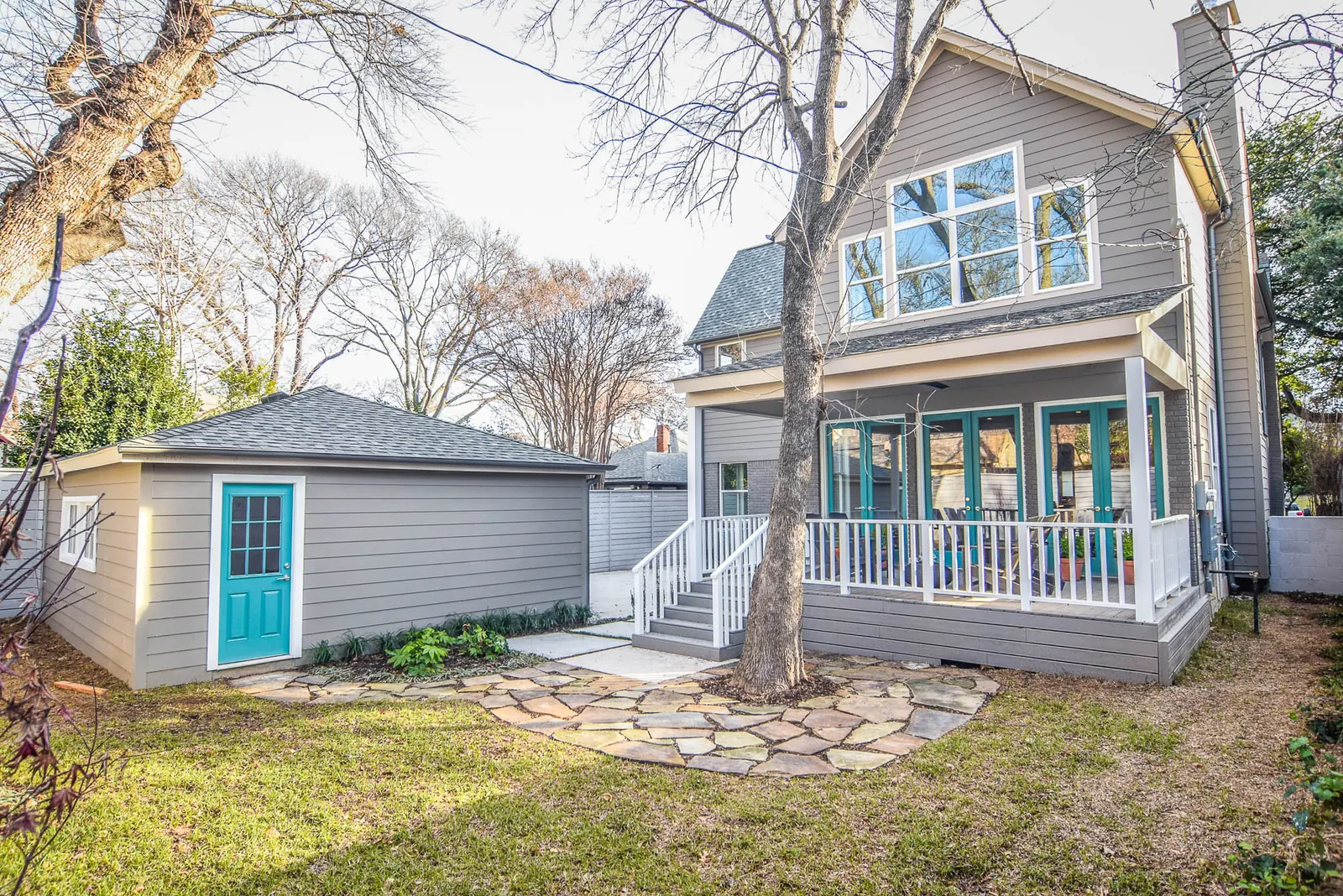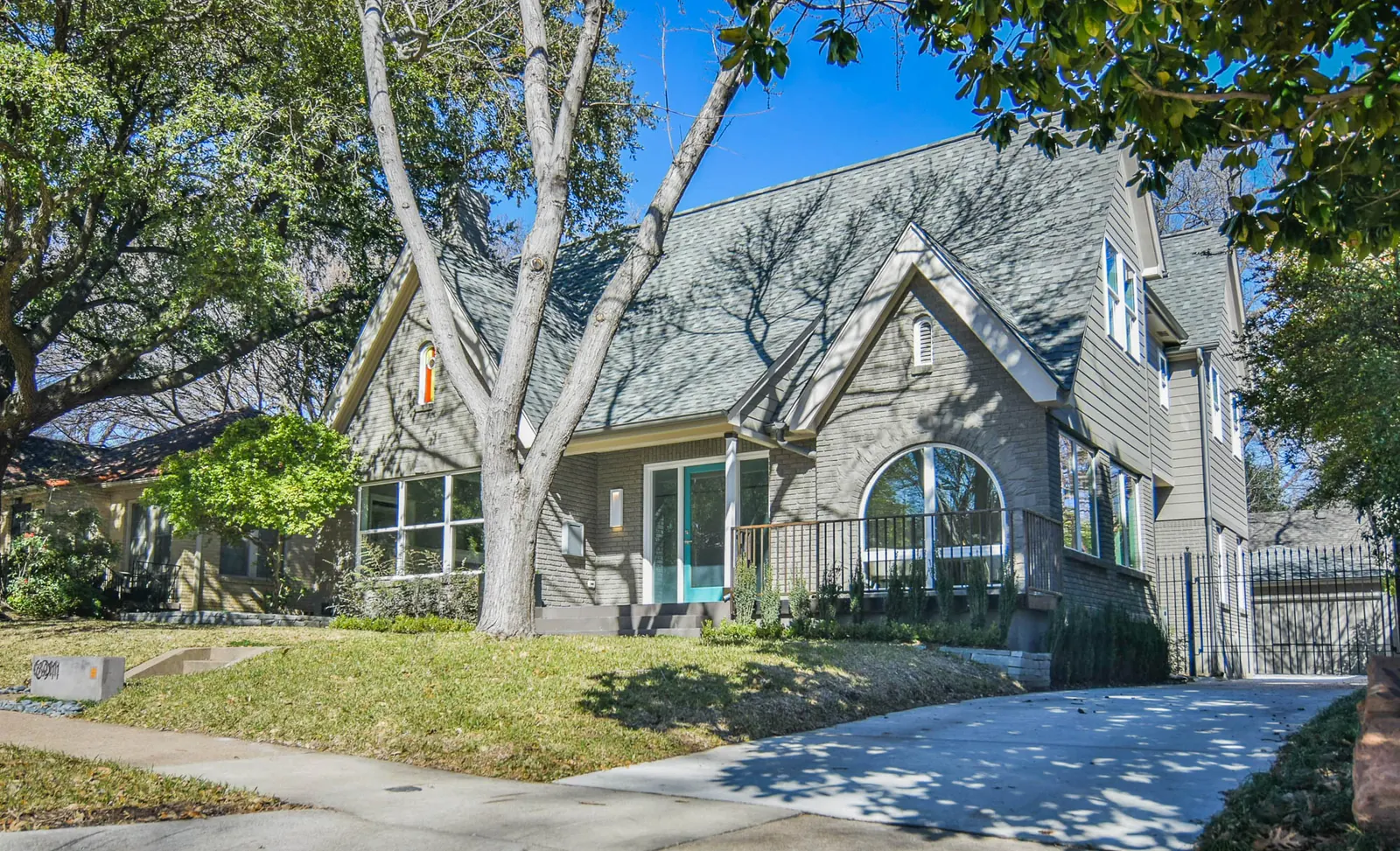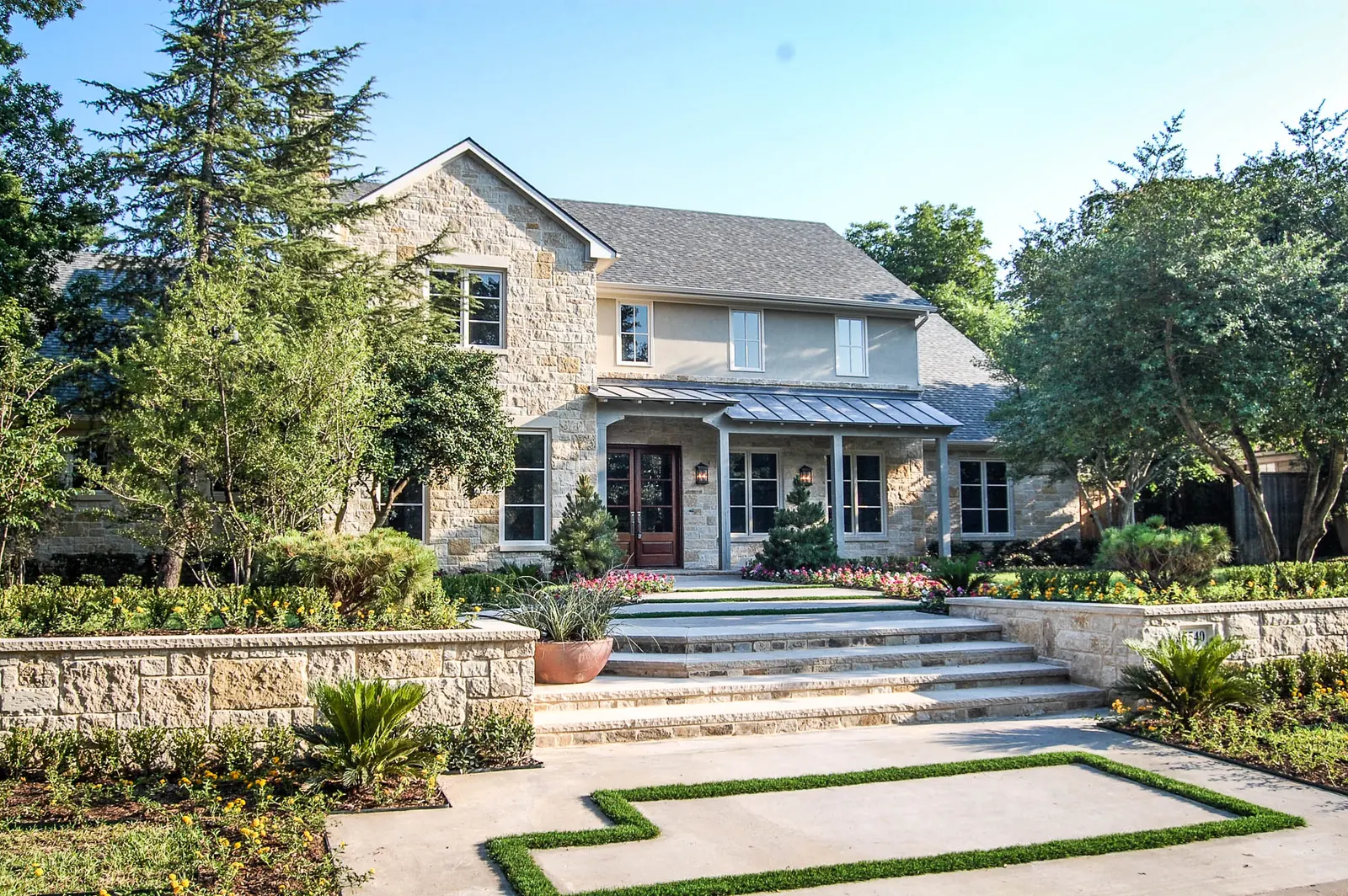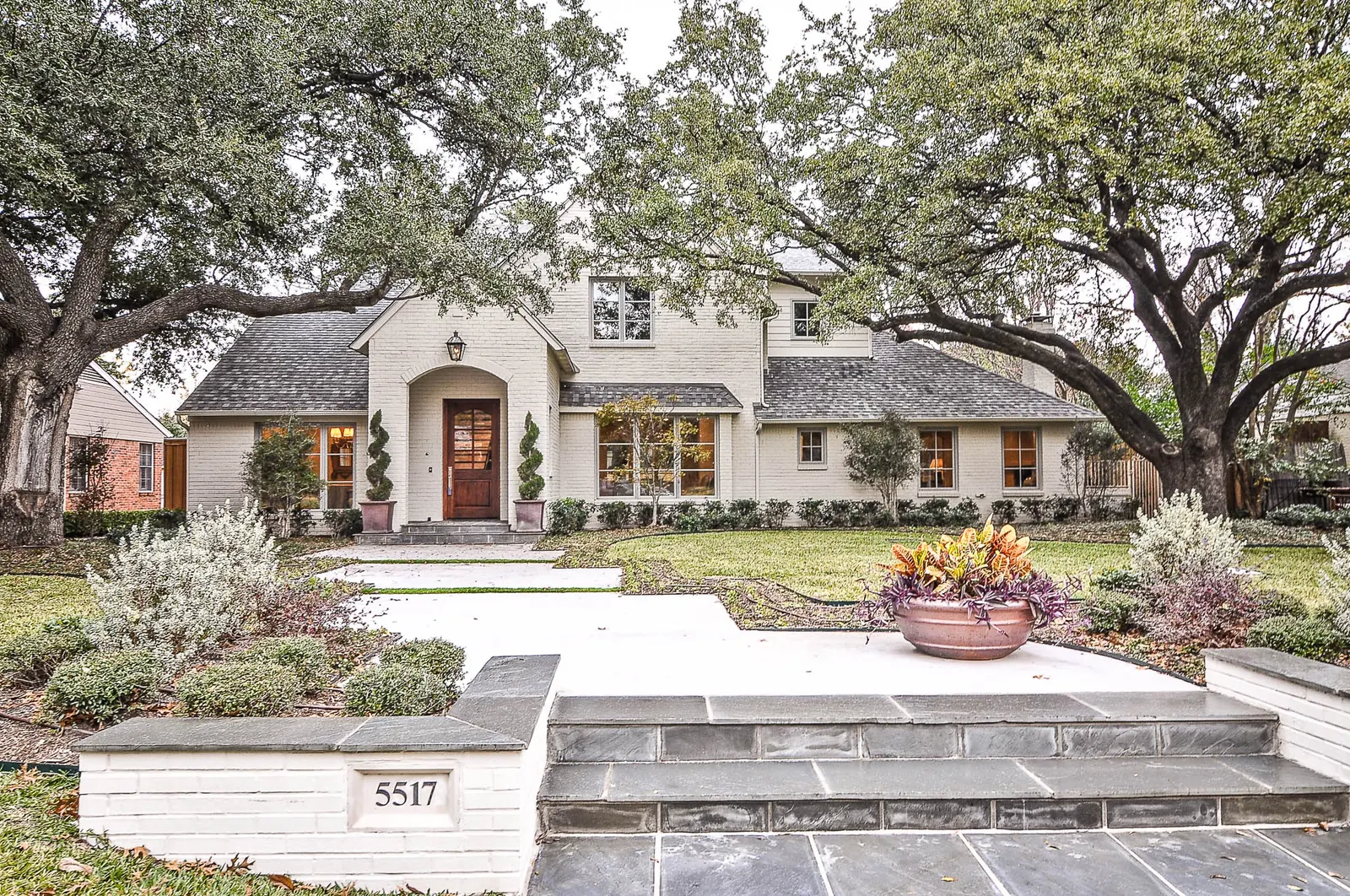
It is one of the most common conversations we have. A family has found the right street, or has lived on it for twenty years, and the house no longer fits the way they live. The kitchen is closed off, the primary suite is too small, the systems are tired. The question is whether to work with what is there or start over.
There is no universal answer, and anyone who gives you one without walking the house is guessing. But there is a clear way to think it through.
Start with the bones
Before talking about layouts or finishes, understand the condition of the parts that are expensive to change:
- Foundation. In North Texas clay, foundation movement is common in older homes. A repairable foundation is one thing. A foundation that fights you every season is another.
- Structure. Can the walls you want to remove actually come out? Are the roof framing and floor structure sound, and sized for what you want to put on them?
- Systems. Electrical, plumbing, and HVAC in an older home may need full replacement regardless of what else you do. That cost is the same whether you move one wall or ten.
- The envelope. Windows, roofing, insulation, and moisture management determine how a house performs in a Dallas summer.
If the bones are good, a renovation or addition can produce a home that feels entirely new while keeping what makes it special. If they are not, you may be spending renovation money to preserve problems.
Remodeling is not automatically cheaper
This surprises people. A full renovation of an older home can approach the cost of building new, because walls get opened, and what is behind them has to be brought up to current code and current expectations. Every older home holds a few surprises. A good builder will plan for that honestly, with contingency in the budget and a careful look behind the walls before the numbers are final.
The reverse is also true. A new home carries costs a renovation avoids: demolition, a new foundation, all-new structure. The comparison has to be made for your specific house, with real numbers, not assumptions.
What your lot allows
Sometimes the decision is made by the rules. Setbacks, height limits, and lot coverage determine how large a new home could be. In some Dallas neighborhoods, conservation or historic district standards govern what can be demolished and what a new home must look like. In the Park Cities, the Town of Highland Park and City of University Park each set their own requirements (see Building in the Park Cities).
An existing home can also carry rights a new one might not. An older structure may sit closer to a property line than current rules would allow for new construction, which can make keeping and adding to it the only way to preserve that footprint. Understanding this early prevents designing something that cannot be permitted.
Character is worth something
Dallas has a remarkable inheritance of older homes, from the romantic cottages of Charles Dilbeck to mid-century ranches with more to them than their dated finishes suggest. Plaster, old-growth lumber, handmade brick, and seventy years of settling into a street are things you cannot order new.
Timeless design deserves careful stewardship.
We have a deep appreciation for restoration. Starboard’s founder lives in a Dilbeck home that was thoughtfully restored. Not every older house deserves to be saved, and some genuinely should be replaced. But the ones worth saving deserve a builder who will say so. We wrote about that kind of work in Restoring a Charles Dilbeck Home.
Three honest paths
- 01
Remodel
Best when the structure is sound, the footprint works, and the problems are layout, finishes, and systems. Preserves character and often your neighbors’ goodwill.
- 02
Add on
Best when the house is right but too small, and the lot has room. The challenge is making the new part look like it was always there, which we cover in Additions That Look Like They Were Always There.
- 03
Rebuild
Best when the foundation or structure is failing, the layout cannot be saved, or the lot can hold a much better house than the one on it. You keep the street, the trees, and the neighbors, and get a home designed for how you live.