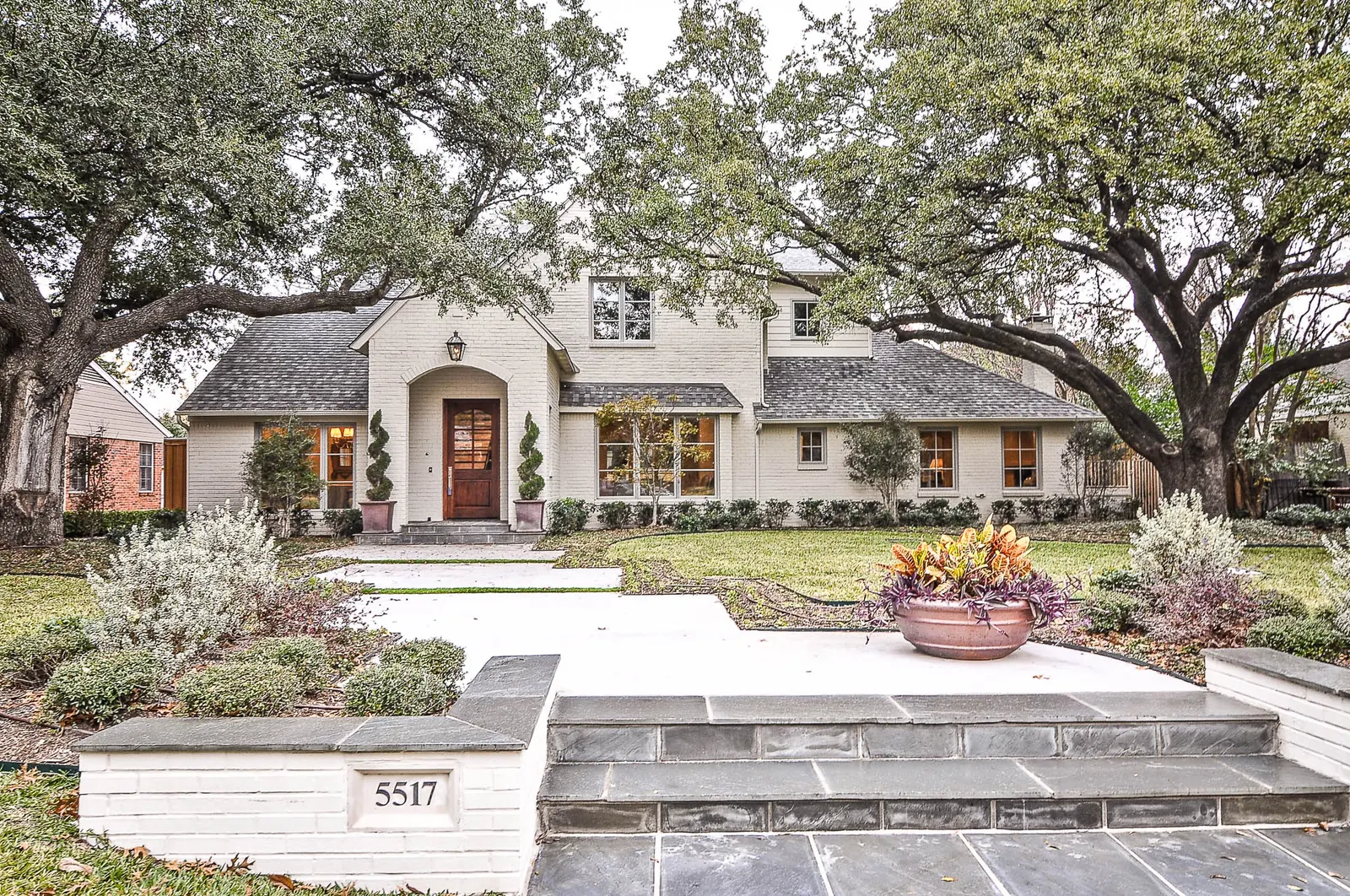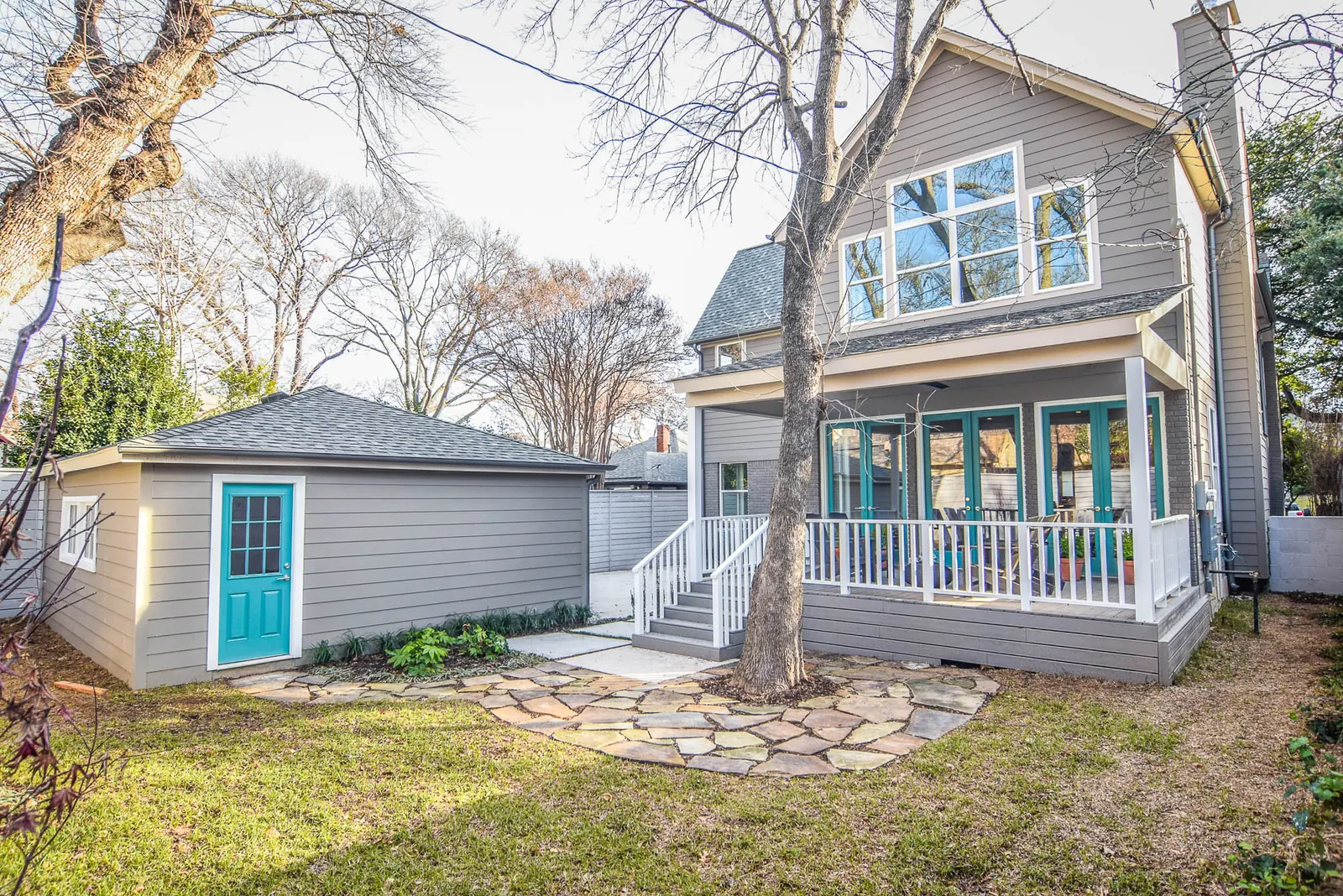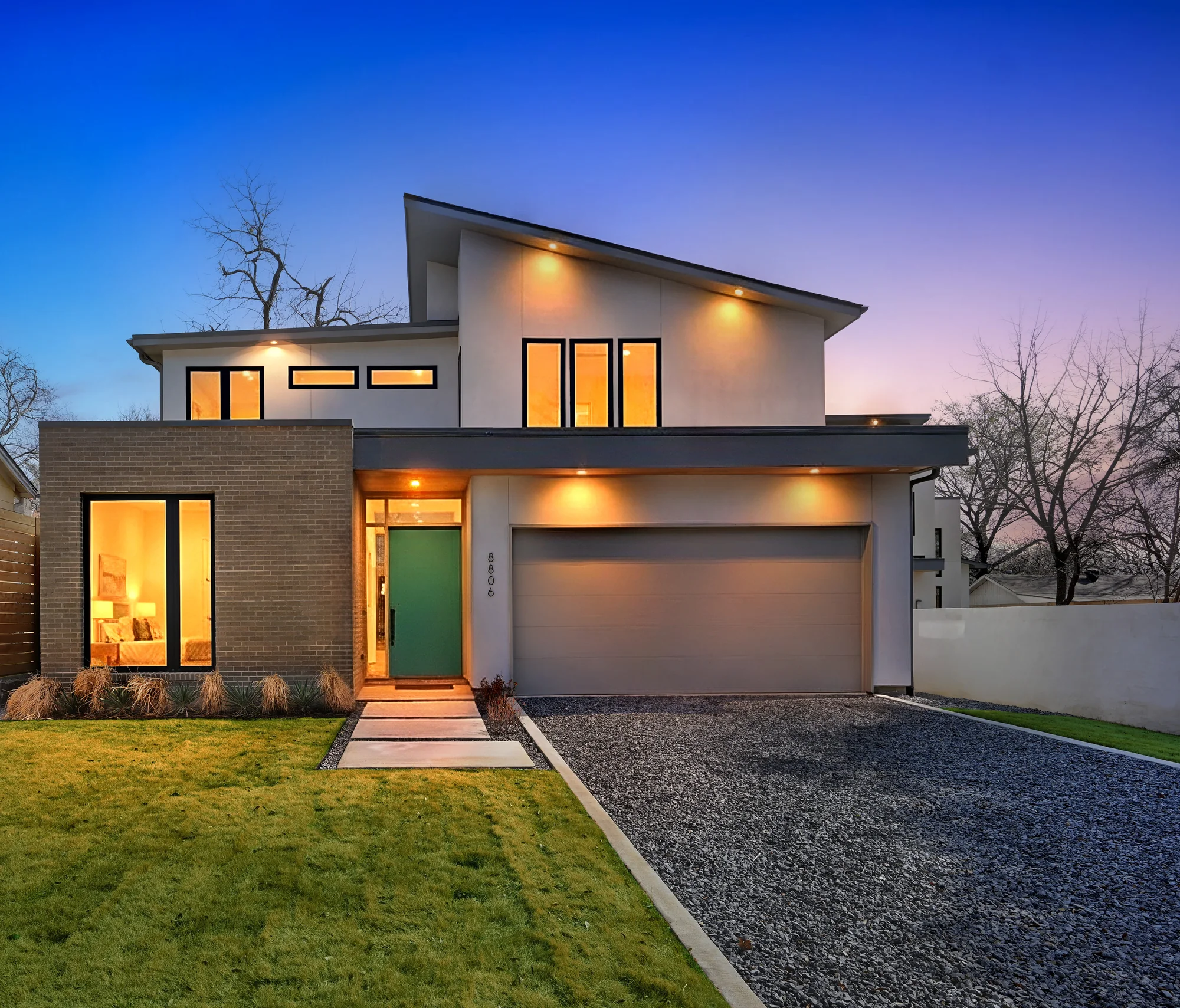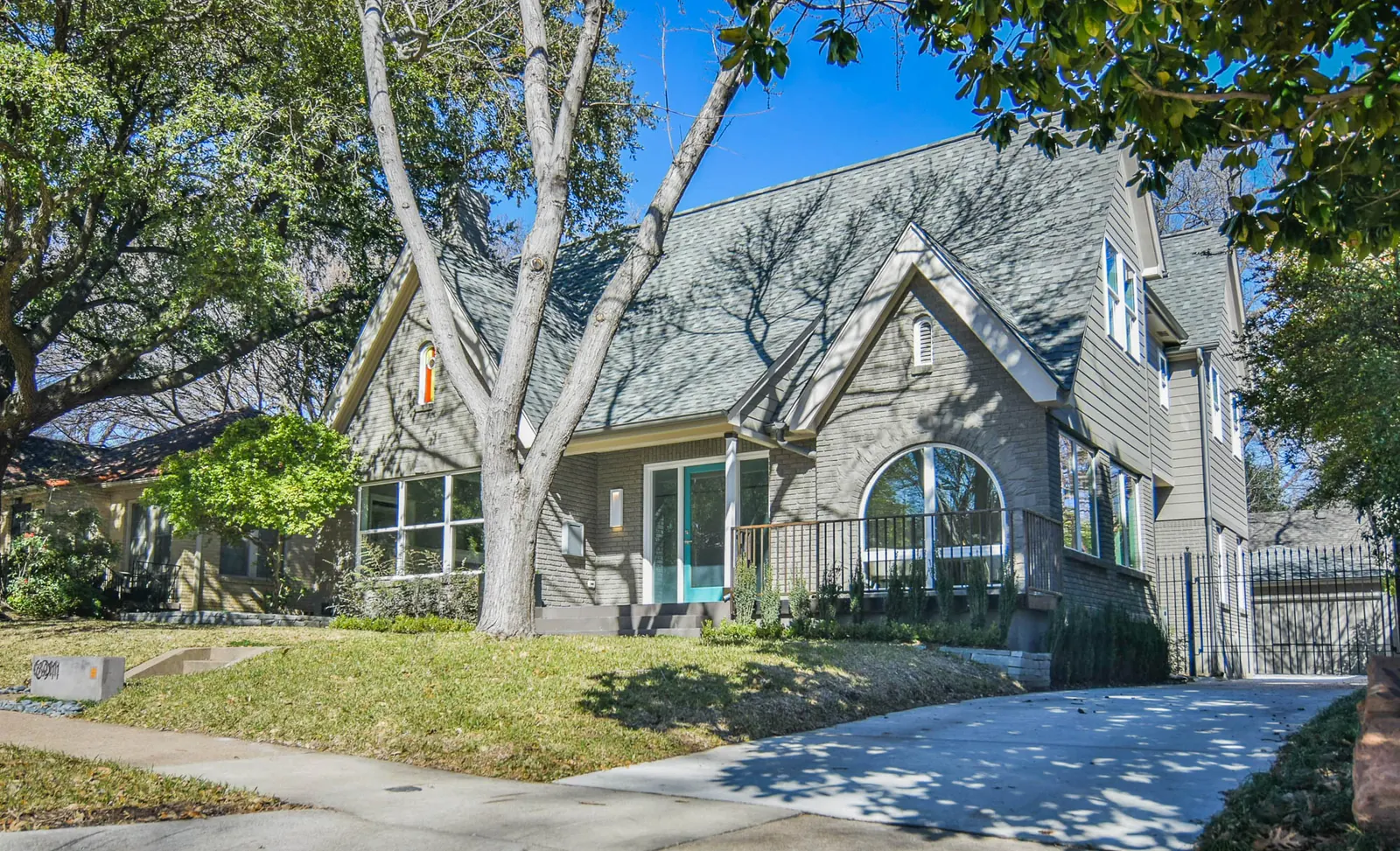
Drive through Lakewood, Preston Hollow, North Oak Cliff, or the Park Cities and you will eventually pass a house that stops you. A roofline that swoops rather than slopes. Chimneys of rough brick and stone. Hand-hewn timbers, whimsical ironwork, windows set where you would not expect them. There is a good chance it is a Charles Dilbeck.
Who was Charles Dilbeck?
Charles Stevens Dilbeck was born in 1907 and grew up in Fort Smith, Arkansas, and Tulsa, Oklahoma, the son of a builder and lumberman who taught him the trade. He had no formal architectural degree. He learned by building, and he moved to Dallas in 1932, drawn by the wealth Texas oil was creating. He practiced until 1969.
Over his career, Dilbeck estimated he designed around 400 houses. His best-known residential work is the romantic cottage: houses that borrow from French country, Irish, and Texas vernacular traditions and combine them into something entirely his own. He designed in other idioms too. The Belmont Hotel in West Dallas, built in 1946, is a stucco, Art Moderne design with rounded corners and long horizontal lines that looks nothing like his cottages, and is still operating today.
By 2018, roughly 130 Dilbeck residences were still standing in the Dallas–Fort Worth area. Some have been demolished in recent years to make room for new houses, a loss that has drawn growing attention from preservationists and admirers of his work.
Why this is personal for us
Starboard’s founder lives in a Dilbeck home that was thoughtfully restored. That experience shaped how we think about every older house we touch: timeless design deserves careful stewardship, and the craftsmanship in homes like these cannot be reproduced by ordering it from a catalog.
Exceptional homes aren’t created by shortcuts or trends. They are built through care, patience, and doing things the right way.
Restoration starts with understanding
The worst thing that can happen to an old house is a confident crew with a demolition schedule. Before anything is removed, it is worth understanding what you have:
- What is original, and what is not. Decades of well-meaning updates often layer over original materials. Sometimes the original plaster, hardware, or flooring is still there underneath.
- What gives the house its character. Rooflines, chimneys, window placement, timberwork, masonry, and the way the house sits on its lot. These are the things to protect at almost any cost.
- What has failed. Foundations in North Texas clay, roofs, and original systems usually need real work. Knowing their condition early lets you plan rather than react.
- What records exist. Original drawings, past permits, and photographs, when they can be found, are invaluable guides.
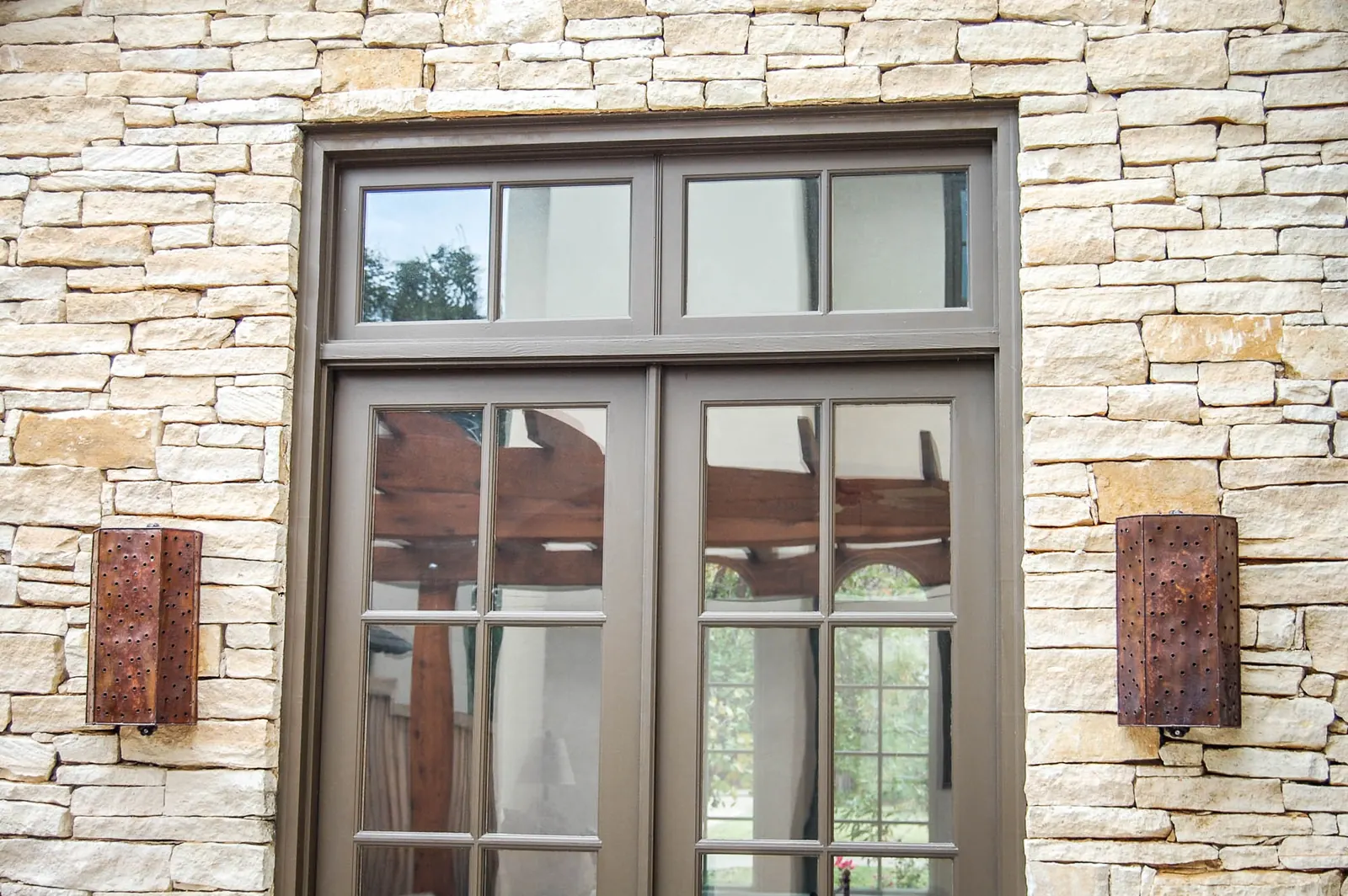
Honoring the house while making it livable
A restored Dilbeck should still read unmistakably as a Dilbeck. But nobody wants to live in a museum, and houses from the 1930s and 1940s were not built for modern kitchens, primary suites, or the way families gather today. The work is finding where change belongs:
- Invest in what you cannot see. New electrical, plumbing, HVAC, insulation, and foundation work make an old house comfortable and safe without changing its face.
- Concentrate modern living in the right places. Kitchens and baths can be fully contemporary in function while using materials and proportions that respect the rest of the house.
- Repair before replacing. Original windows, doors, and trim can often be restored by skilled hands. Where replacement is truly necessary, match profiles, species, and details.
- Add on with humility. An addition should defer to the original: smaller in scale, set back, clearly part of the family. See Additions That Look Like They Were Always There.
Materials that belong
Dilbeck’s houses were handmade in a literal sense: rough brick, hand-hewn beams, stone laid by masons with opinions. Restoration asks for the same thinking. That means reclaimed or carefully selected brick to match mortar color and joint profile. It means lime-based mortars where the original masonry calls for them, and wood species and finishes that will age alongside the originals. The goal is a repair nobody notices, which is the hardest kind of work to do.
If you own a Dilbeck, or are thinking of buying one
Before you renovate, research what you have. The Dilbeck Conservancy is a good place to start, and a careful builder can help you evaluate condition, priorities, and costs. And if you are weighing whether to restore or replace an older home more broadly, our guide to remodeling, adding on, or rebuilding walks through the decision honestly.