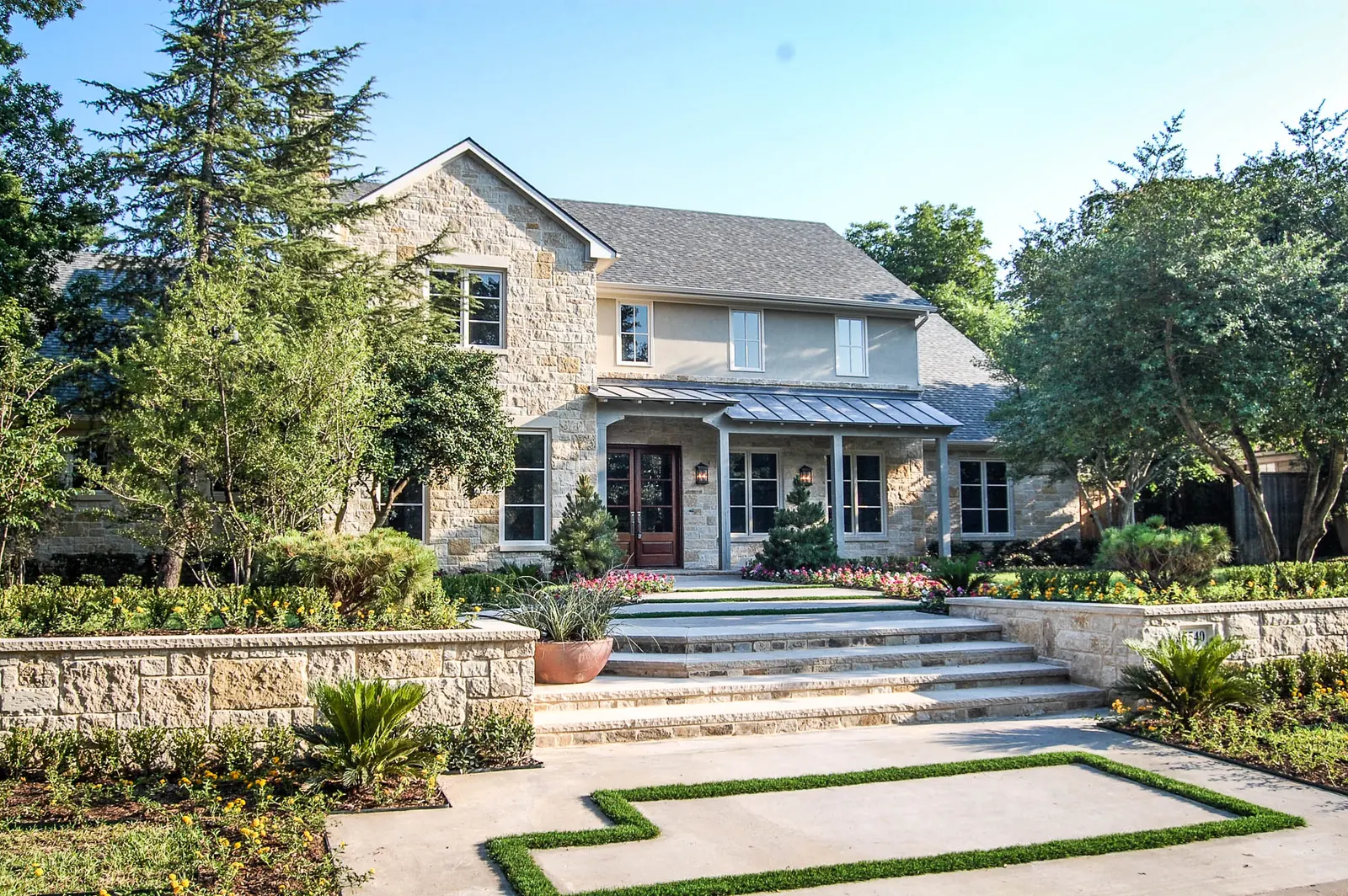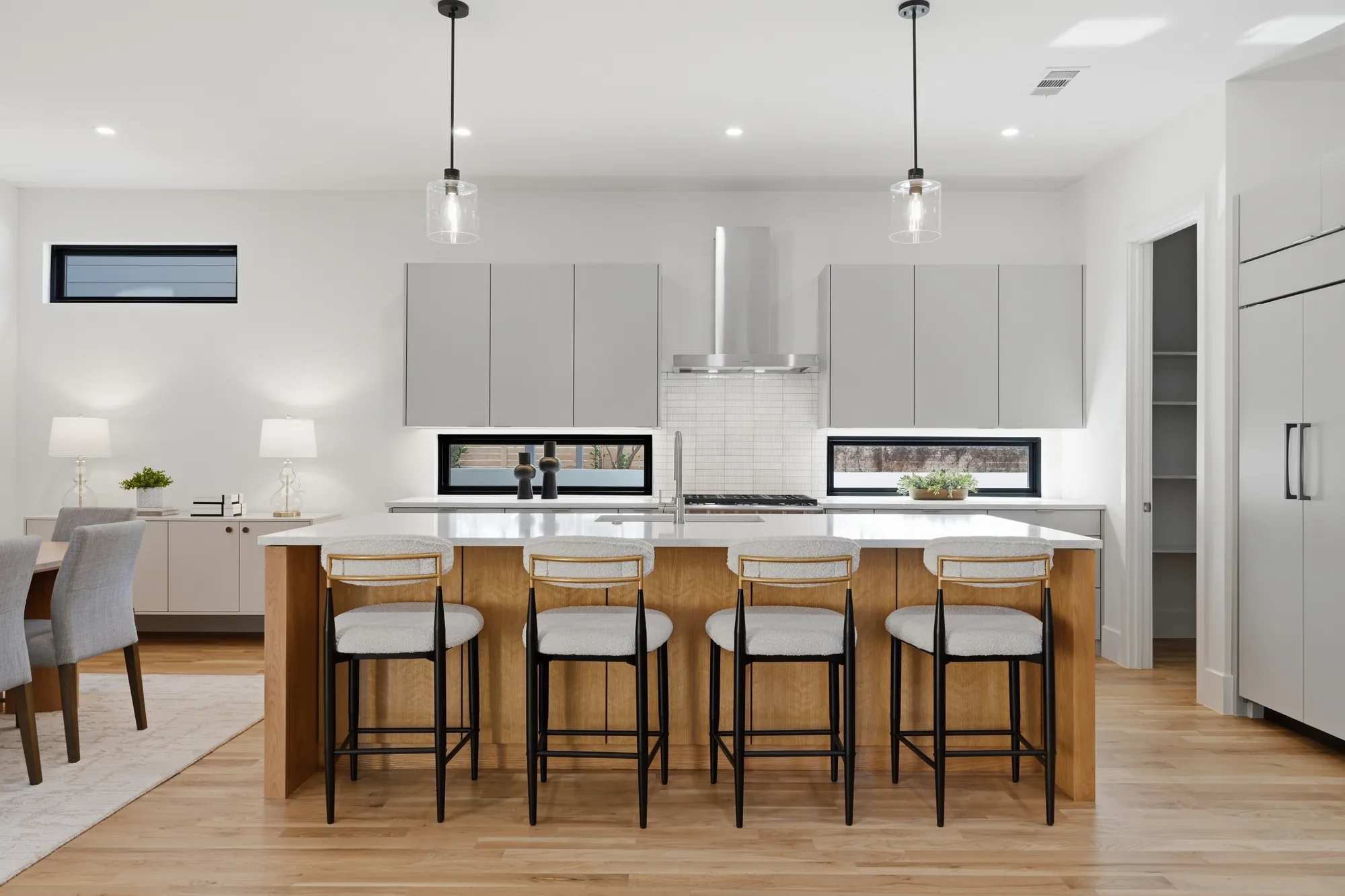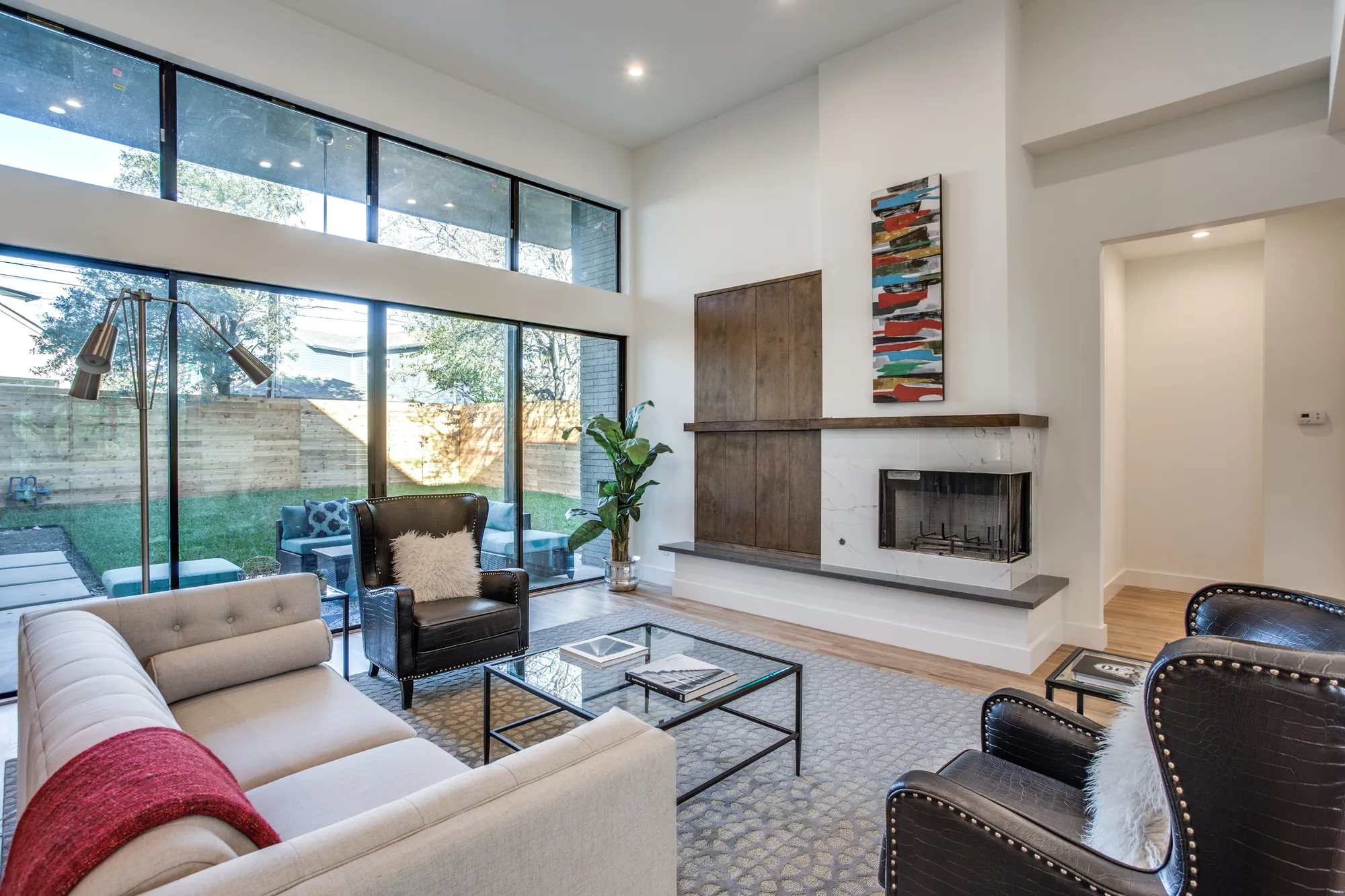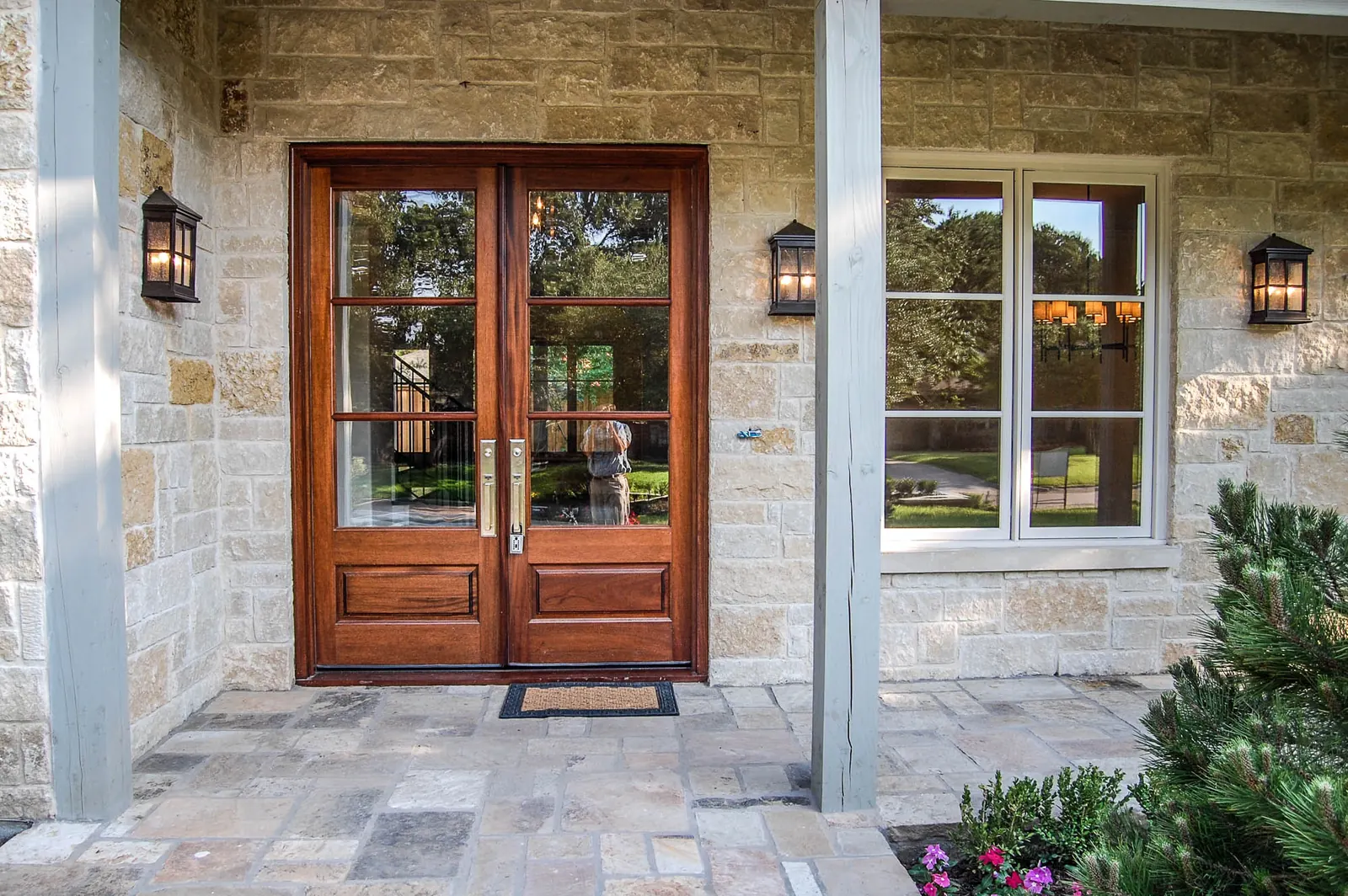
You will spend a year or more working closely with whoever builds your home, trusting them with a significant investment and the place your family will live for decades. Yet many people choose a builder the way they choose a restaurant, by the photos.
Photos matter. They tell you whether a builder shares your taste and can execute at the level you want. But they cannot tell you what the experience will be like, how problems get handled, or whether the parts you will never see were done with the same care as the parts you will.
About how they work
1. Who will I actually be working with day to day?
At some firms, the person who sells you the project is not the person who builds it. Neither model is wrong, but you should know who is accountable for your home, and meet them before you sign.
2. How, and how often, will you communicate?
Ask for specifics: site meetings, written updates, how decisions are documented, how quickly calls get returned. Clear and consistent communication is the single biggest predictor of a good building experience, and it is the first thing to erode when a builder is overextended.
3. How many projects are you building right now?
There is no correct number. But the answer, weighed against the size of the team, tells you how much attention your home will get.
4. Who are your trade partners, and how long have you worked with them?
A builder is only as good as the framers, masons, electricians, and finish carpenters who show up on site. Long relationships with trusted trades usually mean consistent quality, and trades who care about the details hidden behind the walls.
About money and schedule
5. How do you price a project, and what kind of contract do you use?
Fixed price and cost-plus contracts each have advantages. What matters is that you understand how your builder is paid, what is included, and where the risk sits.
6. How are allowances set, and are they realistic?
Allowances for items like lighting, tile, and appliances are placeholders until selections are made. An allowance set too low makes a bid look attractive and a budget fall apart later. We explore this further in Where the Money Goes in a Custom Home Budget.
7. How do you handle change orders?
Changes happen on every custom home. Ask how they are priced, approved, and documented before work proceeds, so no one is surprised by a number later.
8. How do you build a schedule, and what happens when it slips?
Every project encounters weather, inspections, and supply delays. What you want to hear is how the builder anticipates those things, and how early you will hear about them.
About quality and what comes after
9. Can I visit a home under construction?
Finished homes are staged and photographed. A job site shows you how a builder really works: how clean it is, how materials are stored and protected, how carefully things line up before they are covered.
10. Can I talk to past clients, including ones from years ago?
Recent clients can tell you about the building experience. Clients from five or ten years ago can tell you how the house has aged. Ask them what went wrong, because something always does, and how the builder responded.
11. Do you prefer to join the team during design?
A builder who wants to be involved early is thinking about constructability, budget, and schedule while there is still time to act on them. We believe strongly in this, and explain why in Why You Should Bring Your Builder In During Design.
12. What happens after we move in?
Ask about the warranty, of course. But also ask how the builder handles the small things in the first year, when the house settles through its first round of seasons. The answer tells you how they think about relationships.
The right builder shares your values, not just your taste.
Fit is part of the answer
The best builder for a production neighborhood and the best builder for a restored 1930s cottage are rarely the same firm. We do our best work with people who appreciate timeless architecture, want a collaborative experience, and care about quality as much as appearance. If that sounds like you, we would welcome a conversation. If it does not, the questions above will still serve you well.