The most common budget problem in custom homes is not overspending. It is under-planning: a total that was never realistic, built from assumptions nobody examined. The fix is not a cheaper house. It is a clearer picture of where the money actually goes, early enough to make good decisions.
We will not quote costs per square foot here. That figure varies enormously with design, site, and finish level, and a number without context tends to mislead more than it helps. What we can do is explain the structure of a budget, which is the part most people never see.
The costs outside construction
Before a shovel hits the ground, a custom home accumulates real costs that belong in the budget from the start:
- Design fees: architect, interior designer, and in many cases a landscape architect.
- Engineering and surveys: structural engineering, the geotechnical report on your soil, a boundary and topographic survey.
- Permits and fees: plan review, permits, and utility connections, which vary by city.
- Site costs: demolition of an existing home, tree protection, grading, drainage, and utility work.
- Everything after the keys: furniture, window treatments, landscaping, and the rest of what makes a house feel finished.
Inside the construction budget
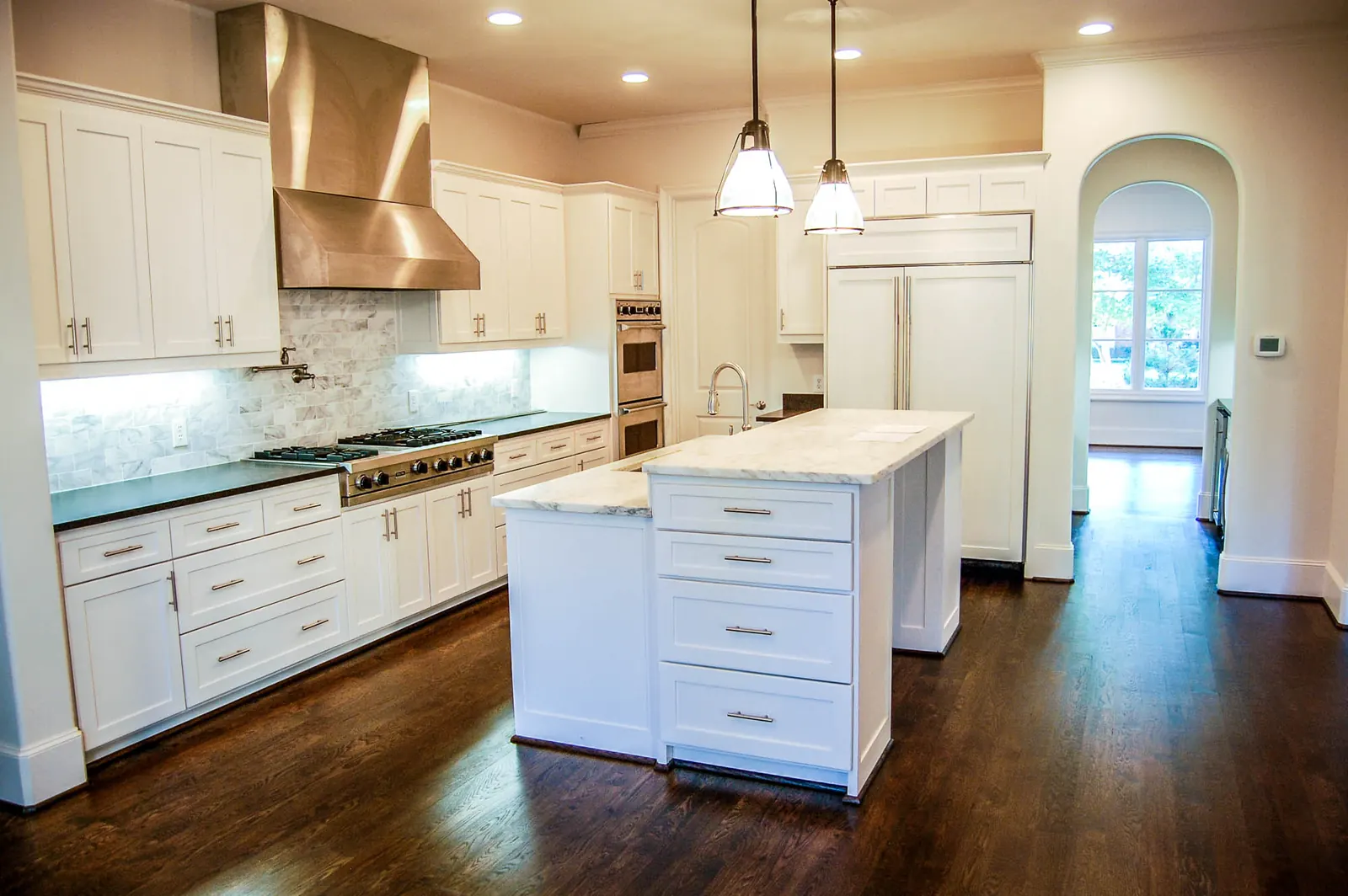
Construction costs follow the sequence of the build: foundation, framing, roofing, windows and exterior cladding, mechanical, electrical and plumbing systems, insulation, drywall, then the interior finishes (cabinetry, stone, tile, flooring, trim, paint, fixtures, and appliances). Some of these costs are largely fixed by the design. Others depend heavily on selections, which is where allowances come in.
Allowances: the line items that make or break a budget
When a bid is prepared before every finish is selected, the builder includes allowances: budgeted amounts for items like lighting, plumbing fixtures, tile, appliances, and hardware. When you make your selections, the actual cost is compared against the allowance, and the difference moves the budget up or down.
The best protection is to make key selections as early as possible, ideally during design, so the budget reflects real choices rather than placeholders.
Contingency is honesty
Every custom home encounters things no one could fully predict: conditions found underground, a material that becomes unavailable, a design idea that emerges halfway through. A contingency sets aside funds for these moments so that a surprise becomes a decision rather than a crisis. Renovations of older homes, where walls hold secrets, generally warrant more contingency than new construction.
Change orders
Changes during construction are normal. The goal is not to prevent them entirely but to make them deliberate: priced, approved, and documented before work proceeds. Late changes cost more, because they can undo finished work and disrupt the schedule. That is one more reason the planning phase deserves time.
Where to spend, and where to save
Quality over convenience. Spend where it is hard to go back.
Every home involves tradeoffs. Our guidance is consistent:
- Invest in what is hard to change later: foundation, structure, roofing, windows, waterproofing, insulation, and mechanical systems. These decide how a home performs for decades, and fixing them later means tearing into finished work.
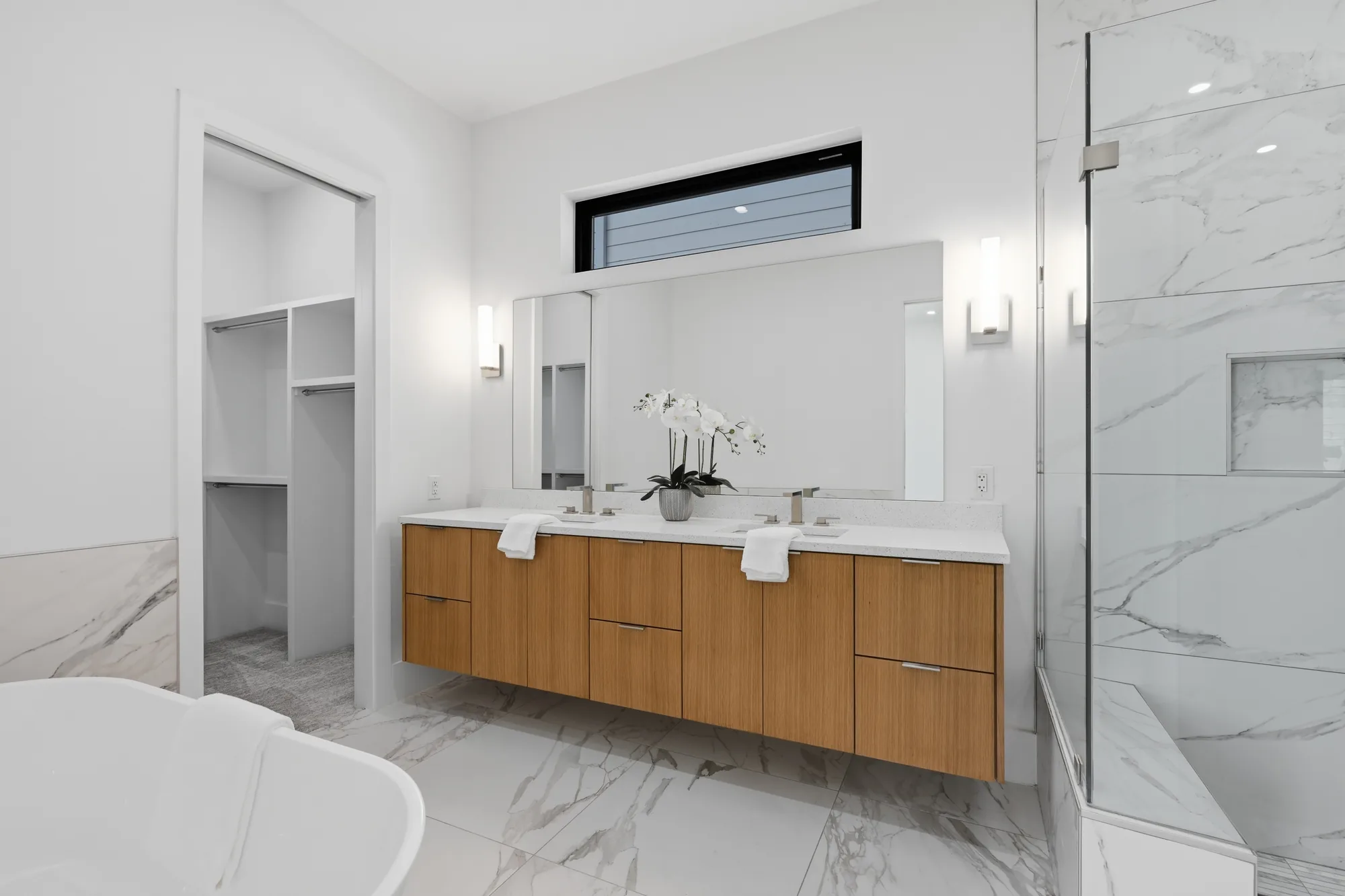
- Invest in what you touch every day: door hardware, kitchen work surfaces, faucets, flooring. Quality here is felt constantly.
- Be thoughtful with what is easy to change: light fixtures, paint colors, some decorative finishes. They can be upgraded later if the budget is tight today.
- Protect the architecture. If cuts are necessary, cut square footage or complexity before cutting the details that make the design what it is.
The best budget tool is early collaboration
Budgets are most at risk when design and pricing happen in separate rooms. When your builder prices the design as it develops, there is no cliff at the end, just a series of informed decisions. We explain why in Why You Should Bring Your Builder In During Design.