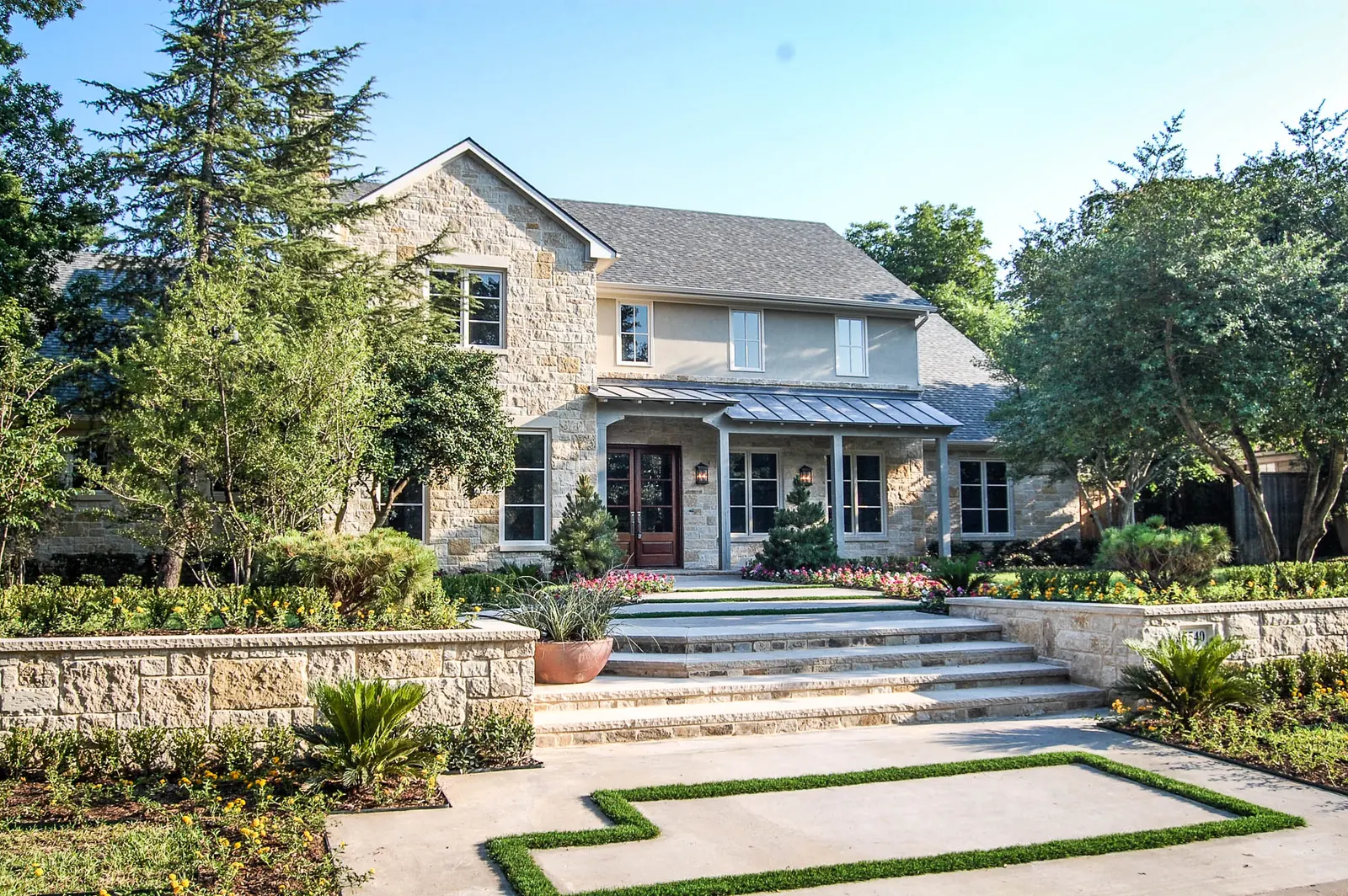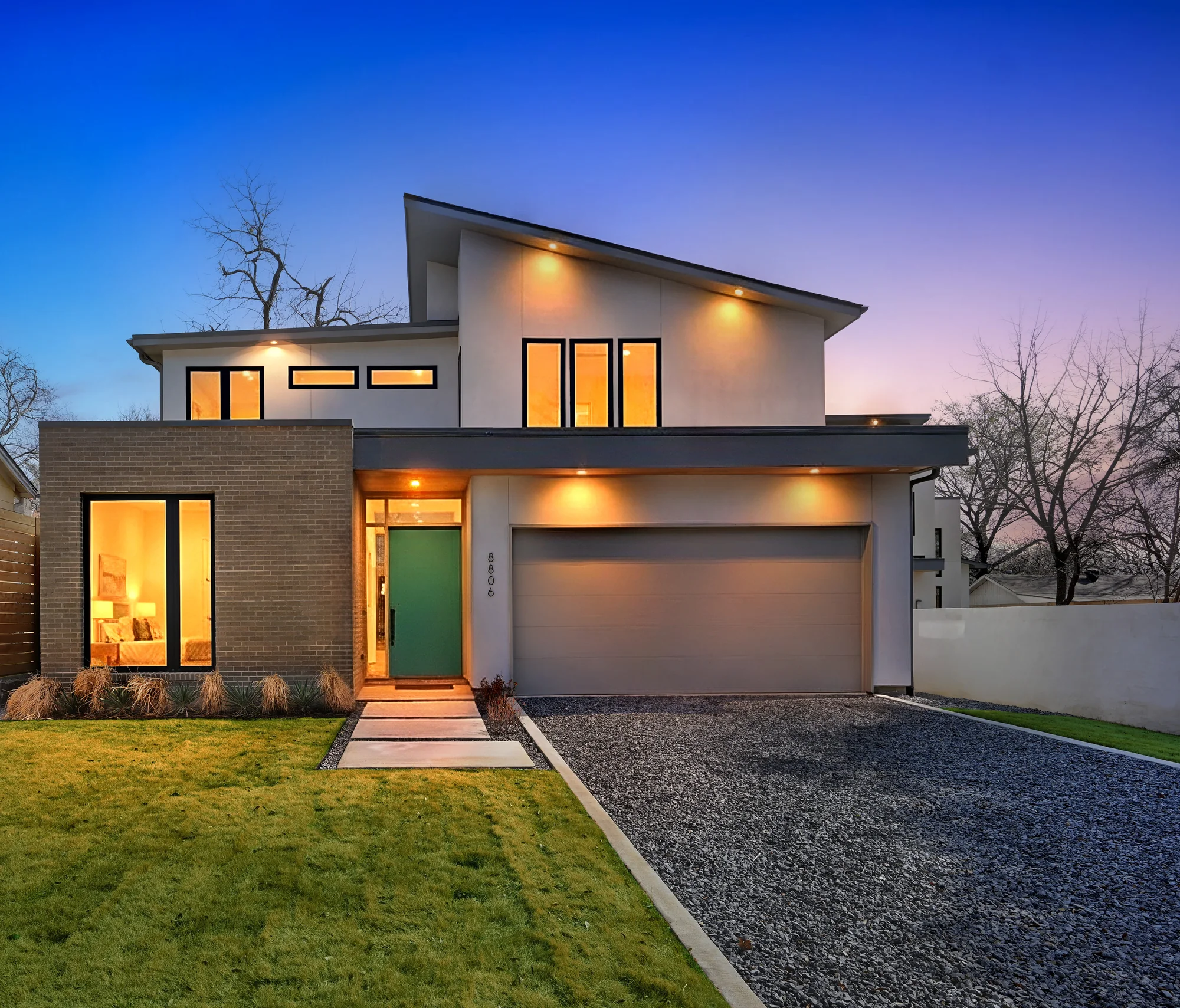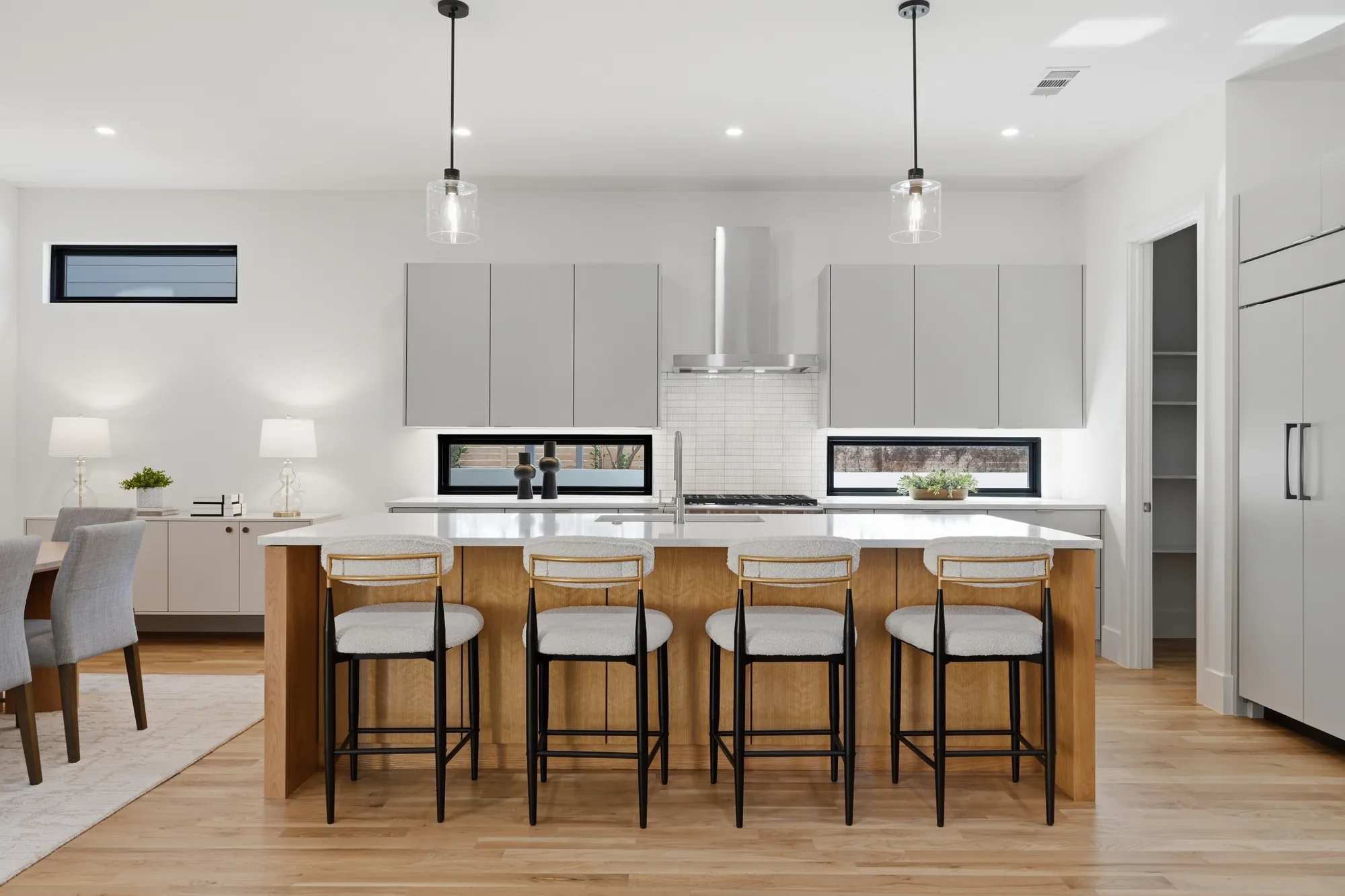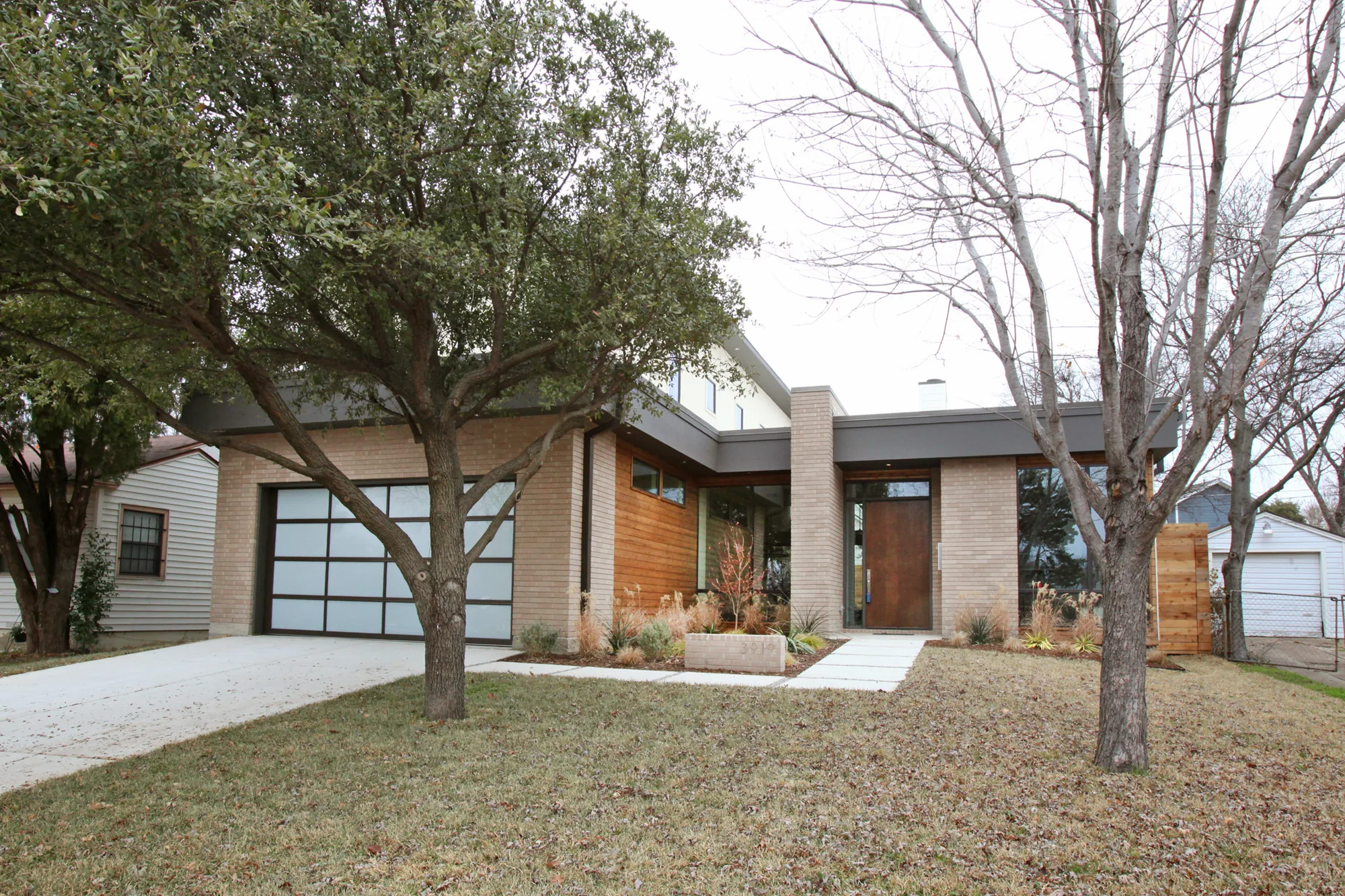
Some of the most important work in a home is invisible. Nobody tours a house to admire its foundation design or its flashing details. But in North Texas, those invisible decisions determine whether a beautiful home stays beautiful, or spends its life cracking, leaking, and running its air conditioning around the clock.
The ground moves
Much of the Dallas area is built on expansive clay soils. These clays absorb water and swell during wet periods, then shrink and crack during dry ones. That cycle puts real force on anything resting on them, which is why foundation movement is such a familiar topic among Dallas homeowners.
The answer starts with information. A geotechnical report is prepared by testing soil samples taken from your actual lot, and it tells the structural engineer how that soil behaves and what the foundation must handle. A licensed engineer then designs the foundation for those specific conditions. Common approaches in the area include post-tensioned slabs, in which steel tendons are tensioned after the concrete cures to hold the slab in compression, slabs supported by drilled piers, and pier-and-beam systems.
Water is the variable you can control
Because clay reacts to moisture, how water moves around a house matters enormously. The goal is consistency: keeping soil moisture around the foundation as even as possible and moving storm water away from the house.
- Grading that slopes away from the foundation on every side.
- Gutters and downspouts sized for heavy rain and discharged well away from the house.
- Site drainage planned with the landscape, so beds, patios, and walks do not trap water against the slab.
- Thoughtful planting. Large trees are a gift, but their roots draw heavily on soil moisture. Their placement relative to the house is worth planning.
Designing for the heat
Dallas summers are long and hot, and they reward homes designed for them. The single biggest factor in comfort and energy use is the building envelope, meaning everything that separates inside from outside.
- Insulation and air sealing. A tight, well-insulated envelope keeps heat out and conditioned air in. Air leaks often matter as much as insulation levels.
- Windows. High-performance glass reduces solar heat gain, and placement matters. West-facing glass takes the harshest afternoon sun.
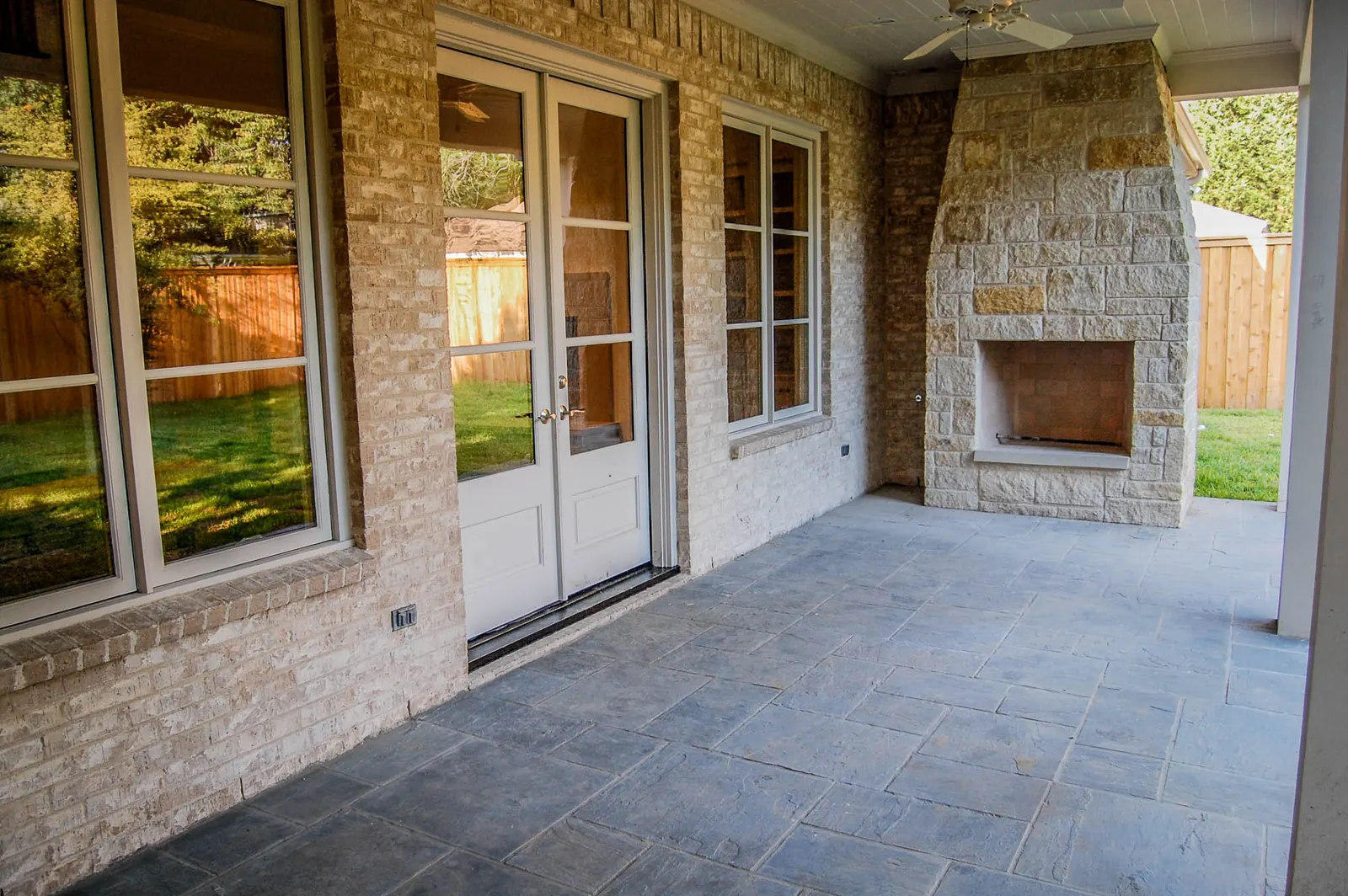
- Shade. Roof overhangs, covered porches, and trees do quietly what no mechanical system can. The best-performing homes shade their glass before it gets hot.
- Right-sized systems. An HVAC system designed from careful load calculations runs more efficiently and controls humidity better than one simply sized large.
Ready for spring storms
North Texas springs bring severe thunderstorms, heavy rain, high winds, and hail. A home that handles them well is usually the product of details decided early:
- Roofing chosen for the climate. Standing-seam metal, clay tile, and impact-rated shingles each have strengths. The right choice depends on the architecture and budget.
- Flashing done with care. Most leaks happen at transitions: where roof meets wall, around windows and doors, at chimneys and skylights. These details are invisible once finished, which is exactly why they must be right.
- A continuous water-resistive barrier behind the cladding, integrated with every window and door.
- Drainage that can keep up with a sudden downpour, from gutters to site grading.
We work with trade partners who believe every detail matters, even the ones hidden behind the walls.
Durability is a design decision
None of this is exotic. It is simply the discipline of taking the climate seriously from the first sketch. It shapes how we think about choosing an architectural style, how we structure a budget, and why we spend where it is hardest to go back. A home should be built for the place it stands, and for the generations who will live in it.